
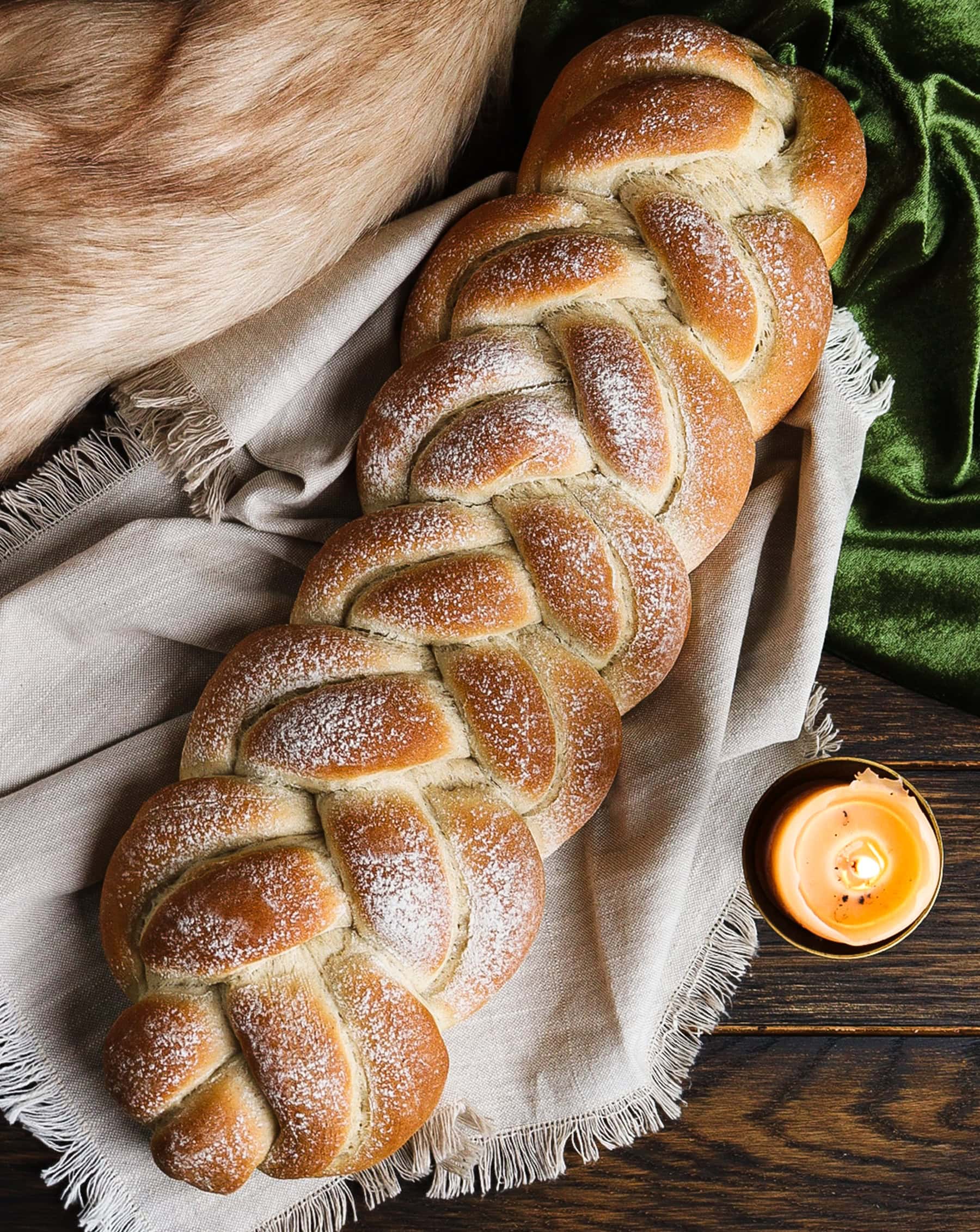
This tender braided soft barley bread with a hint of honey is a rustic tribute to the great grain fields of Rohan. Best enjoyed topped with a spoonful of our Peach and Bay Leaf Jam from the pantries of Middle Earth! For more recipes from the windswept plains of Rohan, explore our complete A Feast in Rohan collection.

If you love Middle Earth-inspired preserves and pantry recipes, try our Hobbit's Pantry e-cookbook for a compilation of many of our favourite recipes from the Shire.
At a Glance: Soft Barley Bread
- Prep Time: 30 minutes
- Rising Time: 2 hours
- Shaping Time: 15 minutes
- Baking Time: 25 minutes
- Total Time: ~3 hours 10 minutes
- Servings: 1 loaf
- Flavour: Earthy and nutty, hint of sweetness
- Skill Level: Intermediate
- Why this Works: This soft honey-sweetened bread gets a subtle nutty flavour from earthy barley flour.
Soft Barley Bread
Crossing the Fords of Isen at the Gap of Rohan we enter the great Northern kingdom of the Rohirrim. The vast grasslands and plains of Rohan are ideal for farming and the growing of grain crops. Freshly milled wheat and barley are blended together to create a soft, tender loaf with a slight earthy, nutty flavour. A spoonful of honey adds a hint of sweetness to this bread. With it's distinctive braid, this soft barley bread captures the rustic and unique culture of the Rohirrim.
For more bread inspired by Rohan, be sure to check out our No Knead Rye Bread. Both breads are delicious topped with sweet jam from the pantries of Middle Earth, such as our spiced rhubarb jam or our peach and bay leaf jam.
Anglo-Saxon Influence
J.R.R. Tolkien made it clear that his inspiration for the Kingdom of Rohan and its people was Anglo-Saxon England. While not intended to exactly replicate the period, Tolkien's description of their language and culture show that distinct influence. For this recipe, we wanted to capture that influence in the detailed shaping of the loaf. Anglo-Saxon art and stonework is notable for its intricate interlace patterns. For this bread, we took inspiration from a fragment of a stone carved interlace pattern preserved in St. Gregory's church in Kirkdale, England.
Ingredients for Soft Barley Bread

Barley flour: Made from milled whole-grain barley, barley flour has an earthy, slightly nutty flavour. Since barley flour is very low in gluten-forming protein, using too much can result in a dense, crumbly loaf. For that reason, the barley flour makes up only 20% of the total flour in this recipe. The bread benefits from its distinctive flavour with the all-purpose flour adding the necessary gluten to make a tender, well-structured loaf.
All-purpose flour: The addition of all-purpose flour ensures there is enough gluten for a soft and tender dough.
Honey: This recipe gets its subtle sweetness from honey.

Bread Baking Tips
Here are a few tips for baking bread:
- Measure by weight - The ingredients in this recipe are listed in both US customary and metric measurements, however, I strongly suggest using the metric weights for weighing out ingredients such as flour. With flour, the total volume can vary widely based on how tightly it is packed into a cup measure. For all our recipes, if using US customary measurements, be sure to gently scoop the flour into the measuring cup and then scrape off the excess without packing the flour down.
- Adjusting flour and water - The amount of liquid that flour absorbs can vary between different types and brands, or even the humidity in your kitchen. For that reason, it can be difficult to get exact measurements for the flour and liquid in bread recipes. Keep an eye on the mixer as the dough is coming together to see if you need to make any adjustments. If there is still dry flour in the bottom of the bowl that isn't attaching to the dough, then add a bit of water. If the dough seems very sticky and isn't forming a ball, add a bit of flour until it comes together. In both cases, add the liquid or flour in 1 tablespoon increments just until you get your desired result.
- Rising time - The warmth of both the dough and the environment can have a big impact on how fast the dough rises. This is why I generally give a wide time frame for the first rise. On a very warm day the dough might double in size after an hour. On a cool day, it can take as long as 1 ½ to 2 hours. Rather than just setting a timer, check that the dough has at least doubled in size and feels soft and puffy when you press it. If the dough still feels tight or firm, let it rise for a little while longer.
- Relaxing the gluten - This is particularly relevant when shaping the bread into thin ropes. When you first begin to roll out the ropes of dough, you will notice that it only rolls out a bit before it begins to spring back. When that happens, set the dough aside to rest for a few minutes and the gluten will relax and stretch out more easily. In this recipe, since you are making 6 ropes of dough, I find it helpful to start by rolling them all out halfway. Then return to the first rope and repeat the process, rolling them out as long as you need. The time it takes going through the ropes a second time is usually enough time for the dough to relax.
- Avoid over flouring - I find it much easier to roll out the ropes of dough without using too much flour. The slight tackiness of the dough helps the ropes stretch out more by lightly clinging to the counter. However, if the dough is so sticky that you aren't able to roll it properly, feel free to use a small dusting of flour.
- Doneness - While you should be able to tell that this bread is done by the overall colour and hollow sound when knocking on the bottom, you can check doneness with a thermometer. Yeast bread is done when it reaches an internal temperature of between 190°F and 200°F.

How to make Soft Barley Bread
1. Activate the yeast
Heat ¼ cup plus 2 tablespoons of the water to between 105°F and 115°F. Add the sugar and yeast. Stir briefly and then set aside for the yeast to activate. When the yeast is bubbly and risen, after about 5 minutes, proceed with the recipe.
2. Make the dough
In a mixing bowl, combine the all-purpose flour, barley flour, and salt. Whisk to combine. In the bowl of a stand mixer fitted with a dough hook, combine the remaining ¾ cup warm water, honey, and melted butter, stirring to dissolve. Stir in the yeast and add the dry ingredients.
Mix using the dough hook, until the dough starts to come together. Scrape down the sides occasionally to encourage the dough to come together. If the dough is too sticky and sticks to the side without forming a ball, then add more flour, a tablespoon at a time. Alternatively, if there is still dry flour in the bottom of the bowl, add a bit more water, a tablespoon at a time until the dough forms a ball. See my bread making tips earlier in this post.
Continue mixing with a dough hook on low speed for about 10 minutes until the dough is soft and stretchy. After mixing, take the dough out and lightly knead a couple of times on the counter to bring it together into a smooth ball.
Transfer the dough to a greased bowl. Rub a little oil on top of the dough. Cover with cling film or a tea towel and then set in a warm place to rise for 1 to 1 ½ hours until double in size.


3. Shape the bread
Line a baking sheet with parchment paper and set aside. Punch the dough down to deflate. Transfer the dough to a lightly floured counter and divide into 6 equal pieces.
Roll each piece into a rope. You may find it easier to do this in stages. Begin by rolling each piece into a thick rope, about 6 inches in length, then set aside and work on the other pieces. Go back to the first piece and roll it out longer until the rope is about 18 inches long. See my bread making tips earlier in this post for tips on rolling the dough.
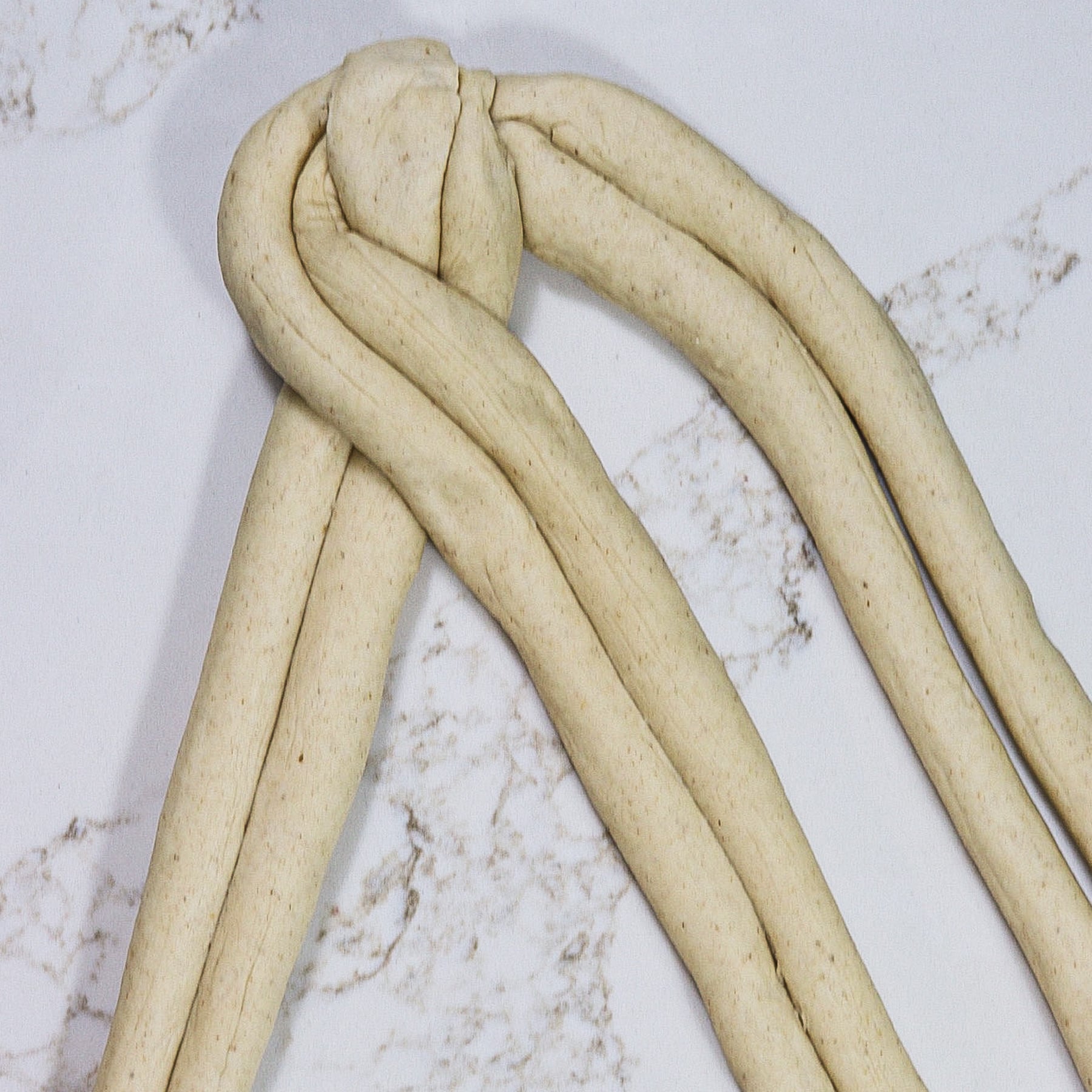
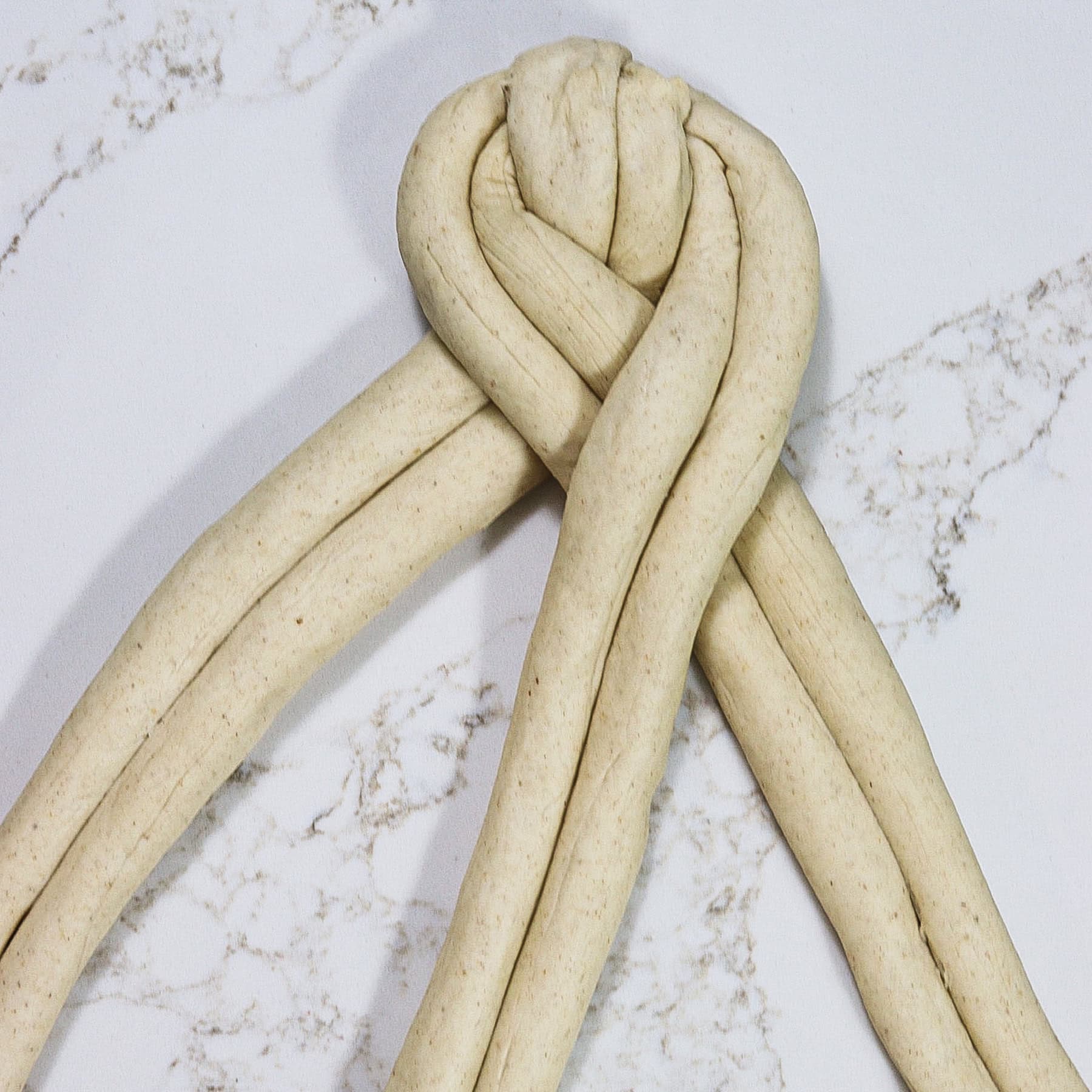
To shape the loaf, you will join two strands of dough together to create three double ropes. These are then braided into a standard 3-strand braid. Begin by arranging the three double strands beside each other on the counter. Pinch them together at the top and then tuck the end under. Weave them together in a standard braid, making sure to keep the ropes lying flat so double strands are clearly visible.
When finished, pinch the ends together and tuck under. Transfer the loaf to the prepared baking sheet. Cover the baking sheet with a tea towel and let rise in a warm place for 30 minutes or until doubled in size.



4. Bake the bread
Preheat the oven to 375°F. Lightly dust the top of the loaf with flour and bake for 20 to 25 minutes until done. Rotate the pan in the oven after 15 minutes to encourage even browning. The bread is done when it golden brown and the bread sounds hollow when tapped on the bottom, or it reaches an internal temperature between 190°F and 200°F.
5. Serve the Soft Barley Bread
Transfer the bread to a rack and let cool briefly before serving. This soft barley bread is delicious warm from the oven and topped with butter and a delicious jam, such as our peach and bay leaf jam. Enjoy!
More Bread Recipes Inspired by Fantasy
- Sweet Cardamom Bread with Honey Orange Butter
- Golden Chamomile Twist Buns
- Juniper Rosemary Twist Bread
- Soft Pumpkin Rolls
- White Braided Bread

Soft Barley Bread
Ingredients
- 1 cup + 2 tbsp warm water divided
- 2 ¼ teaspoon active dry yeast
- ½ teaspoon granulated sugar
- 3 cups all-purpose flour plus extra
- 1 cup barley flour *see note
- 1 teaspoon salt
- 3 tablespoon honey
- 2 tablespoon butter melted
- 1 tablespoon vegetable oil or as needed
Instructions
- Heat ¼ cup plus 2 tablespoons of the water to between 105°F and 115°F. Add the sugar and yeast. Stir briefly and then set aside for the yeast to activate. When the yeast is bubbly and risen, after about 5 minutes, proceed with the recipe.
- In a mixing bowl, combine the all-purpose flour, barley flour, and salt. Whisk to combine. In the bowl of a stand mixer fitted with a dough hook, combine the remaining ¾ cup warm water, honey, and melted butter, stirring to dissolve. Stir in the yeast and add the dry ingredients.
- Mix using the dough hook, until the dough starts to come together. Scrape down the sides occasionally to encourage the dough to come together. If the dough is too sticky and sticks to the side without forming a ball, then add more flour, a tablespoon at a time. Alternatively, if there is still dry flour in the bottom of the bowl, add a bit more water, a tablespoon at a time until the dough forms a ball.
- Continue mixing with a dough hook on low speed for about 10 minutes until the dough is soft and stretchy. After mixing, take the dough out and lightly knead a couple of times on the counter to bring it together into a smooth ball.
- Transfer the dough to a greased bowl. Rub a little oil on top of the dough. Cover with cling film or a tea towel and then set in a warm place to rise for 1 to 1 ½ hours until double in size.
- Line a baking sheet with parchment paper and set aside. Punch the dough down to deflate. Transfer the dough to a lightly floured counter and divide into 6 equal pieces.
- Roll each piece into a rope. You may find it easier to do this in stages. Begin by rolling each piece into a thick rope, about 6 inches in length, then set aside and work on the other pieces. Go back to the first piece and roll it out longer until the rope is about 18 inches long.
- To shape the loaf, you will join two strands of dough together to create three double ropes. These are then braided into a standard 3-strand braid. Begin by arranging the three double strands beside each other on the counter. Pinch them together at the top and then tuck the end under. Weave them together in a standard braid, making sure to keep the ropes lying flat so double strands are clearly visible.
- When finished, pinch the ends together and tuck under. Transfer the loaf to the prepared baking sheet. Cover the baking sheet with a tea towel and let rise in a warm place for 30 minutes or until doubled in size.
- Preheat the oven to 375°F. Lightly dust the top of the loaf with flour and bake for 20 to 25 minutes until done. Rotate the pan in the oven after 15 minutes to encourage even browning. The bread is done when it golden brown and the bread sounds hollow when tapped on the bottom, or it reaches an internal temperature between 190°F and 200°F.
- Transfer the bread to a rack and let cool briefly before serving. This soft barley bread is delicious warm from the oven and topped with butter and a delicious jam, such as our peach and bay leaf jam. Enjoy!


Made this over the weekend, it rose beautifully and tasted perfect.
The braiding was a bit of an effort for the first time, but it still looked great.
definitely make this one again.
Lovely to hear Ric, so happy that it worked it out well for you!